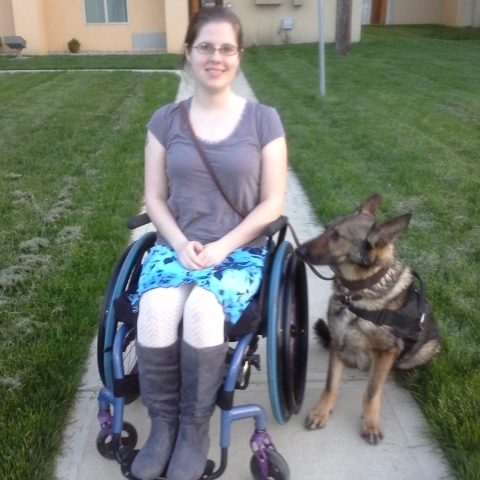
National Puppy Day!

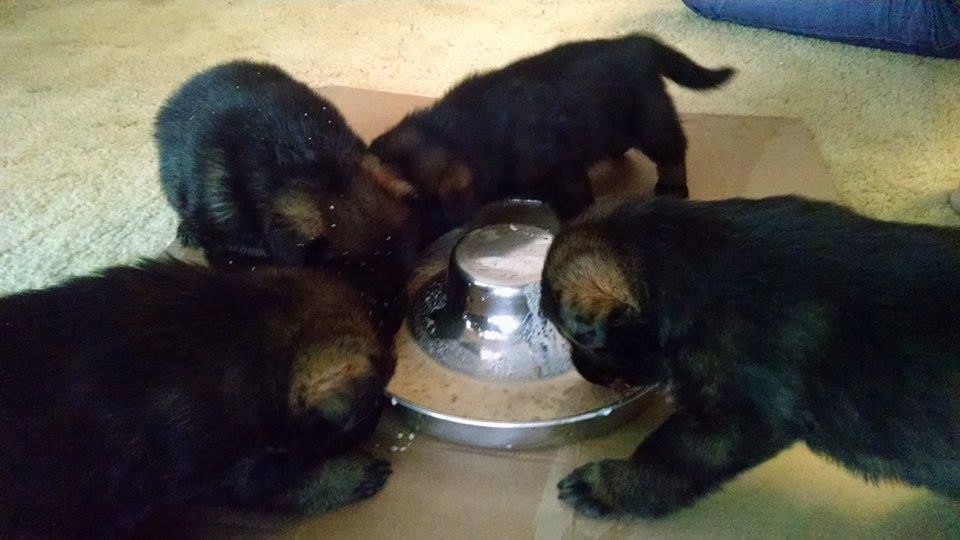
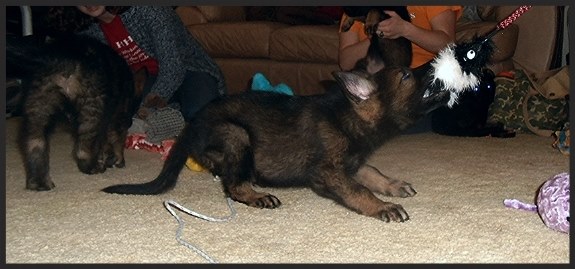
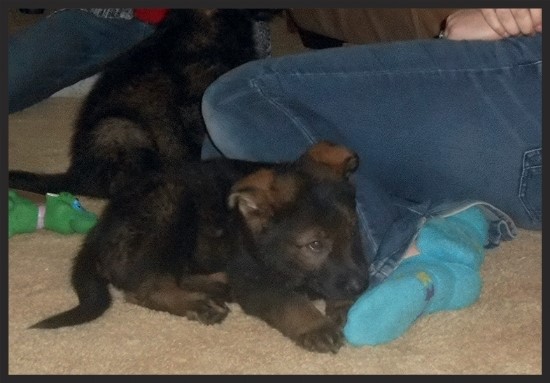
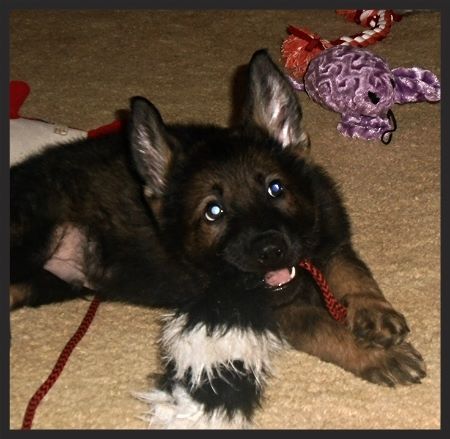
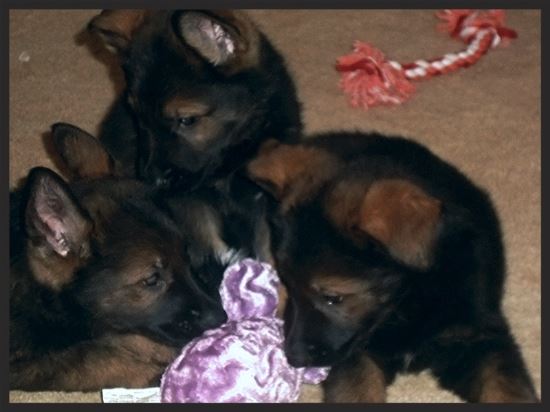
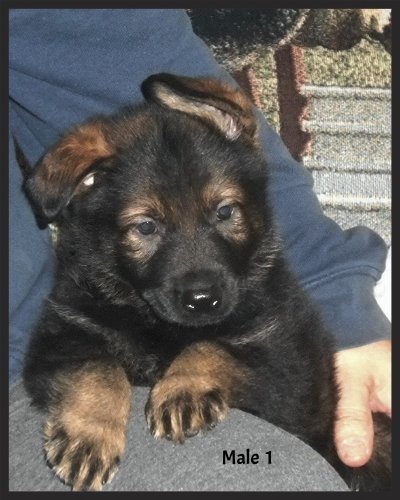
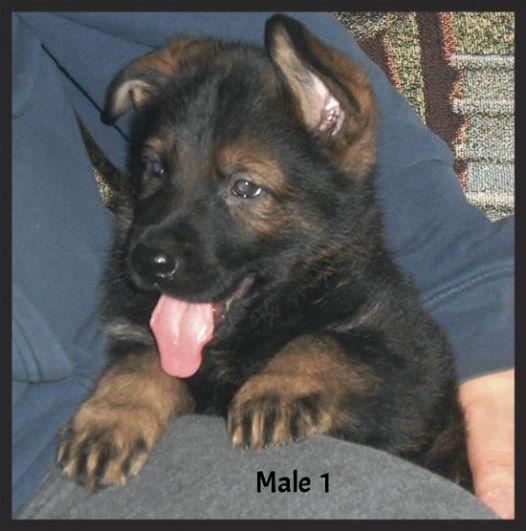
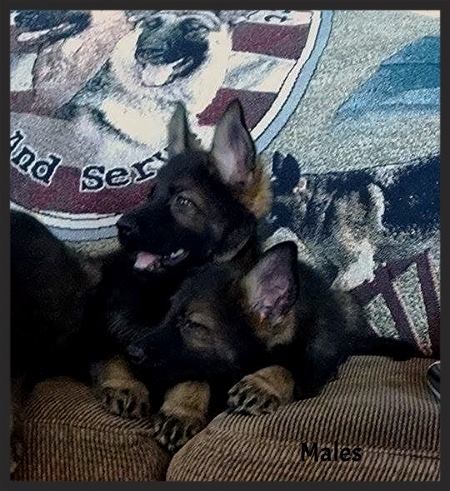
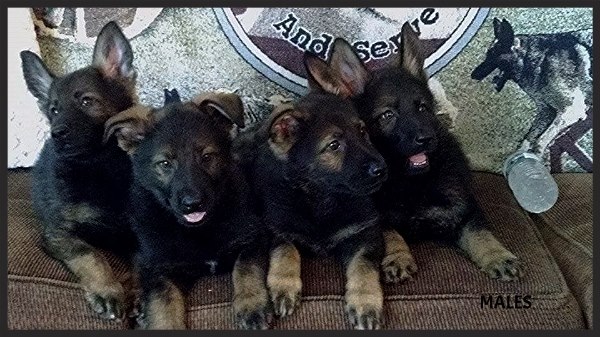
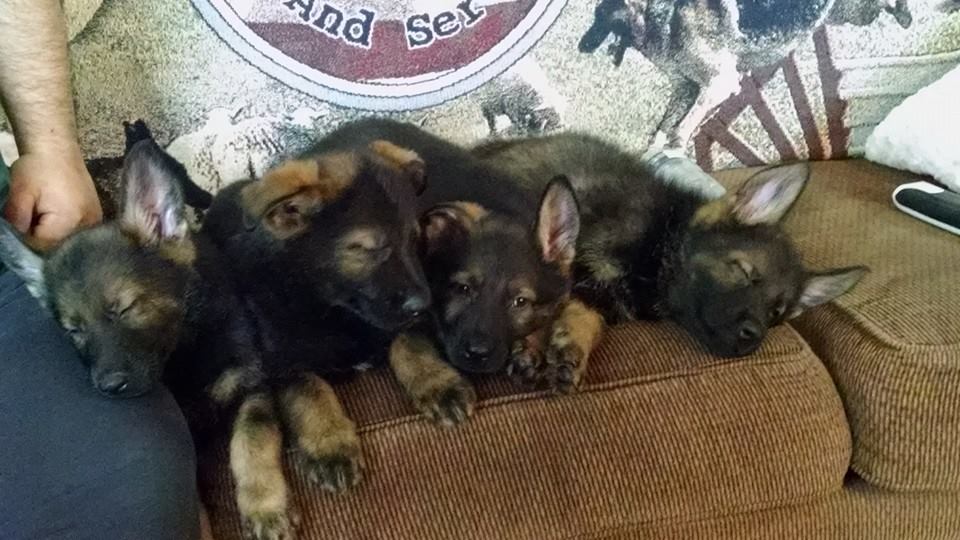
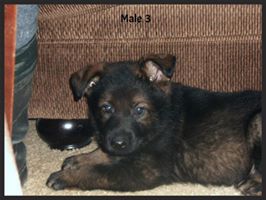
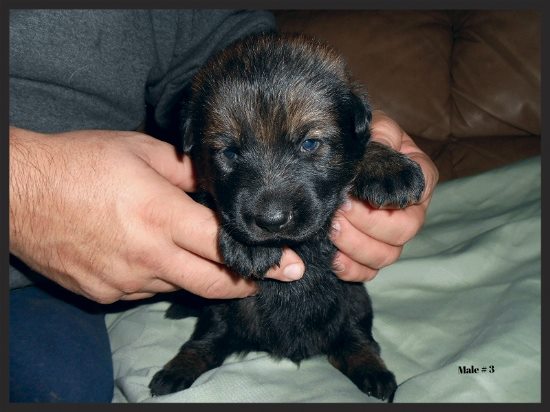
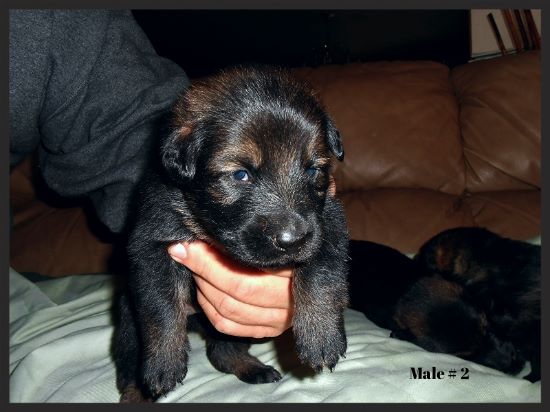
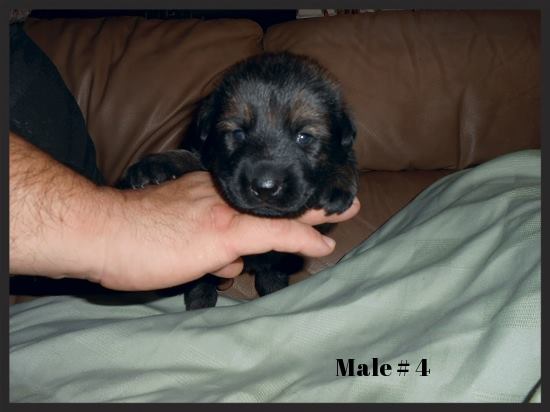
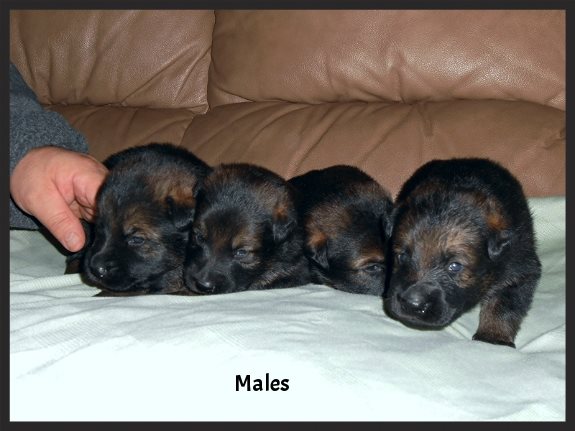
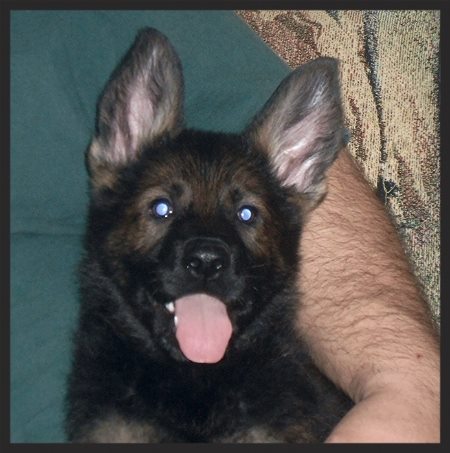
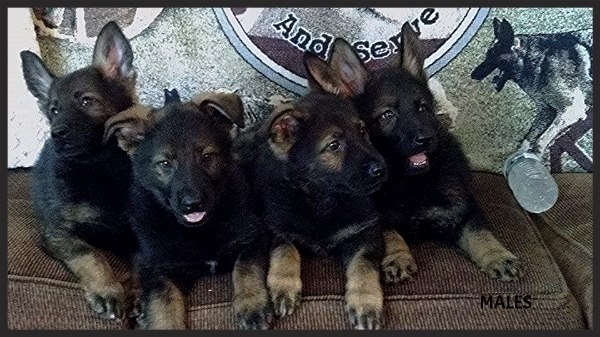
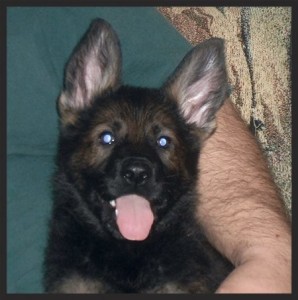
Did you know March 23rd was national puppy day? I didn’t! For national puppy day, here are the beautiful German Shepherd puppies in Socrates’ litter! The post is belated as I was waiting for permission from the breeder, Robin Huerta of Huerta Hof German Shepherds to post the photos.

Now, who doesn’t love some puppies?!

malepuppys puppies1 puppies3 puppies4 puppies5

male1 2male1 puppies9 puppies11 puppies10 moremales males3

infant3 babyboy2 babyboy4 babyboys

How to Donate

There are multiple ways to donate to help me on this journey to get Socrates. The full “purchase price” if you will for Socrates’ training is $6000. After that, there will be costs associated with a week or longer boot camp to learn to work with Socrates. QCCAN graciously allows the fee to be made in payments instead of one lump sum. My job while Socrates is being trained is to save, scrimp, sell, and solicit! And the worst part there for me is soliciting. But I can’t do this alone, I need your help.

Its my hope that you will find the best option for you to donate, and that’s why I’m offering so many. Each one is a little different and I’ll break down the specifics here.

First, if you’d like to donate through paypal, every $1 is appreciated, you can click the donate button and donate directly to me. While being the easiest and fastest way to donate, I cannot provide tax receipts for this method. See below for another paypal option.
PayPal - The safer, easier way to pay online!

Checks and money orders may be sent directly to Karls Kids Program, Inc.* KsKs is the parent Non-Profit 501(c)(3) public charity of Assistance Dog Advocacy Project, a group I’ve been a member of for years working on service dog advocacy and education. KsKs will provide automatic tax deduction receipts for donations of $25 and up. Please request one if needed for donations under $25. Write Lin Brough in the notes section, address to Karls Kids Program and mail to Karls Kids Program P.O. Box 1989 Interlachen, FL 32148. Any donations in excess of the purchase price will be saved in an account to be used for future service dog related expenses. This may include team training costs, equipment, or veterinary fees. For more information on donations to KsKs, click here

If you’d like to donate through paypal directly to KsKs at paypal@karlskidsprogram.com You may use your paypal and/or bank receipts for the transaction as your tax deduction receipt. For donations above $250 KsKs will send you a form as well.

Checks and money orders may also be sent directly to Quad Cities Canine Assistant Network. Write Lin Brough in the notes section and address to QCCAN and mail to QCCAN 2725 27th St Rock Island, IL 61201. QCCAN will provide a tax deduction receipt to anyone who requests one. Donations in excess of purchase price belong to QCCAN and will go to general organization costs. To speak to QCCAN about donations, please call 847-682-5303

*”A COPY OF THE OFFICIAL REGISTRATION AND FINANCIAL INFORMATION MAY BE OBTAINED FROM THE DIVISION OF CONSUMER SERVICES BY CALLING TOLL-FREE (800-435-7352) WITHIN THE STATE. REGISTRATION DOES NOT IMPLY ENDORSEMENT, APPROVAL, OR RECOMMENDATION BY THE STATE.”

Who is Socrates?

Socrates will be my next service dog. I applied and was accepted to work with QCCAN in January. I need to raise $6,000 for my service dog.
puppies7

There are different ways to acquire a service dog, you can owner train or be placed with a program trained dog. As mentioned previously I owner trained Tessa but am currently unable to owner train again. This was not an easy decision to make. Training a service dog is very difficult, it takes 1-2 years of hard work. Dogs have to grow up from puppies and mature, if you start with an adult dog at least a year old the training may be able to be finished faster. If you start with a puppy, two years. I require whats called a mobility assistance service dog. Some of the tasks they perform, like Tessa bracing for me, are very physically demanding on the dog. You can’t start training these tasks until the dog’s bones and joints are mature enough around 18 months old. Owner training may take longer than 2 years, if the persons lifestyle or disability restricts the daily training time or reliability of this daily training.

When I was training Emma, who I thought would be my next service dog, I reached a point where I struggled to continue to teach new things. With training you must proof new things until they become reliable. Then the old saying “use it or lose it” applies with needing to work the things you’ve trained for them to stay reliable. It takes a lot of time and energy to continue training new things and proofing them until they’re reliable. I found myself struggling to teach Emma new things, and becoming stuck on proofing the things I’d taught. At the point I realized it wasn’t just me and Emma would not make it to be a service dog, I knew I didn’t have what it took to begin from scratch again. You have to start right, that early foundation is very important and I wasn’t reliable enough in my physical condition to do it a third time.

Why QCCAN?

Every program that trains service dogs is different. They use different breeds. They acquire their dogs from different places. They place dogs for different types of disabilities. They’re located in different places nationwide. Each organization has its own rules, and they have those rules for a reason. Some have waiting lists years long. The costs the disabled individual is responsible for range depending on volunteers and donations to the organization.

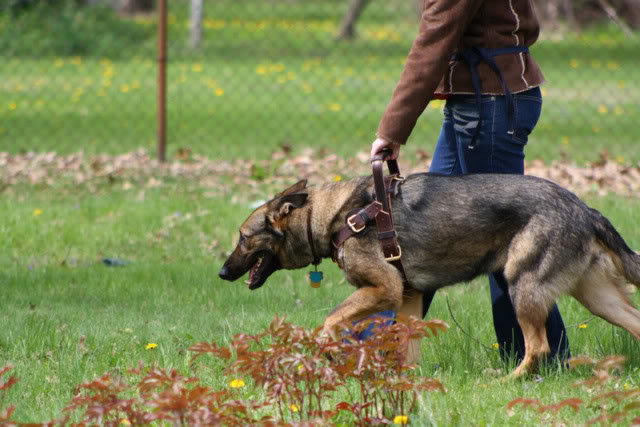
For me, the organization that best met my needs was QCCAN. They work with German Shepherds, which have been phased out by many organizations. While having been the original service dog, they are not the easiest dogs to own or work. There’s a saying that to own a GSD you have to be smarter than the dog. Many service dog organizations place dogs with people who have no dog experience at all, and the GSD is frequently not the best suited breed for them. However I have experience with many different breeds of dogs through years of fostering and training, and the GSD is the best breed for me. QCCAN isn’t located too far away from me, which makes team training (when you learn to work with your new SD) possible. Team training may last a week or a couple weeks which is an expense in itself, and the further the travel the more the expense. All dogs need health testing to ensure they’re fit to be a service dog, which testing is done differs between organizations. QCCAN performs all of the relevant xrays and health testing to ensure my SD has what he needs to perform the work. When acquiring a SD you have to put a LOT of trust into the organization. Sometimes while speaking with an organization, you realize the trust isn’t there or its just not going to be a good match. I’ve known the head trainer of QCCAN for a few years now and trust her fully to provide me with a dog that completely meets my needs. A dog that I’m able to depend on day in and day out, reliability is a requirement!

QCCAN finds a pup for the client when they are accepted by the organization and able to start. They work with breeders who are experienced in breeding service dogs, and Hilary Plog the head trainer continuously evaluates the puppies with the breeder to look for the qualities their experience tells them gives the best chance of becoming a working service dog. Socrates was born on January 13, 2015. At this point, I don’t know which puppy will be Socrates! The litter has been constantly evaluated, but the decision won’t be concrete until Hilary chooses which pup to bring to the organization to begin training. Then he will require 2 years of training before being placed with me. Its going to be a VERY long 2 years! However as far as waits go with organizations, it could be much longer. I’m very happy with the decision to work with QCCAN.


puppies10


Why do I need a new service dog?

My service dog Tessa passed away completely unexpectedly from hemangiosarcoma. One day she wasn’t eating and I scheduled a vet appointment, the next I woke up to find she’d passed away in the night. I cannot express into words the despair and loss I felt. That day I lost my best friend, my daily partner, a family member. I need a new service dog because I lost my independence that day.

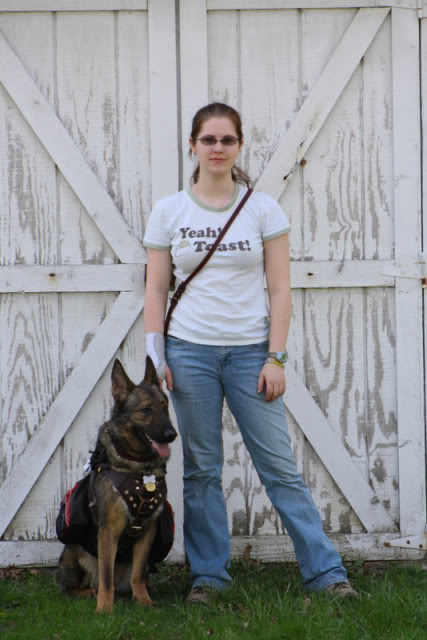
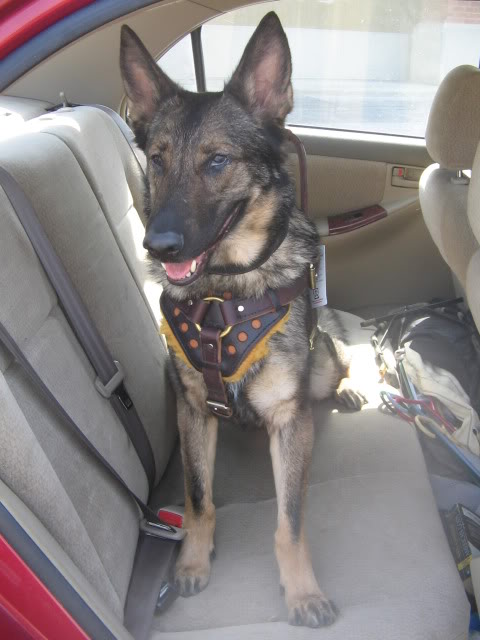
I was incredibly blessed to have Tessa in my life. I’ve always loved animals and training, horseback riding was the best physical therapy I’ve experienced for my muscles. Tessa came into my life as my pet and I immediately threw myself into her training, having signed up for classes before I brought her home. She was my constant companion, a “velcro dog”. As my health declined, she initially started helping me on her own. She was always there, so when I became off balance due to dizziness or a joint gave out sometimes I could steady myself with her to prevent a fall. When I fell, I could use her to ease myself to the ground to prevent more injury. Then I was able to use her to help get back up and steady myself. At the time I didn’t know much about service dogs, so I threw myself into research the way I’d thrown myself into training as a hobby. Service dog training is broken down into obedience, public access training, and tasks that mitigate the handlers disability. Having been involved in advanced obedience and taking Tessa everywhere that was pet friendly put her off at a great start. But most of all, she had what it takes to be a service dog. This is something a dog is born with, and cannot be trained.

training

I was lucky enough to find a local organization that’s experienced in training service dogs to help me along. They evaluated Tessa and opened up their training program to us. I learned how to turn her natural helpful behaviors into reliable tasks. How to teach her to do things like pick up items I’d dropped, go retrieve an item for me, turn lights in a room on and off. I started gaining back things I’d been slowly losing, being able to do more around the house and get out of the house more. I was able to go out shopping alone with Tessa, and not rely on a friend or roommate to accompany me. I wasn’t afraid of getting stranded in public and not able to get home, I had more energy and less pain because of the load she took over for me. As my disability progressed, she learned new things to help my changing needs.

Tessa


tessa1


Since Tessa passed away, its been a constant struggle. I FEEL disabled. I hate depending on people for assistance, and now I have no choice. I had planned for my next service dog in the event of her retirement, but I thought I had years to work with. Life is unpredictable. I was working on training who I hoped would be my next service dog, but unlike Tessa she didn’t have what it takes. Emma was washed out as a service dog in training and will remain with me as a pet. During Emma’s training I struggled, and when I had to make the decision to wash her out I also had to make the difficult decision that I no longer could reliably owner train my next service dog. This left me with finding an organization that would meet my needs and my lifestyle (for example, many programs will not place a dog with a pet dog in the home, and I could not give up Emma.) Luckily I’d begun this search before Tessa passed away. While I continued to contact organizations and see what else was out there for a while, I always ended back at an organization that was started by a woman I’d met through service dog advocacy work. Quad Cities Canine Assistant Network. http://www.qccan.org/

About me and this Blog

meTessa

Hi, my name is Lin. Blogging is new to me so please bear with me! This blog is about working to get a new service dog. Feel free to ask any questions! Your questions help me know what people want to know.

About my Disability

I’m 29 years old and live in Indianapolis Indiana. I have a genetic disorder called Ehlers Danlos syndrome, which affects my entire body. Its a connective tissue disorder and most of your body is connective tissue. Mine is too weak, and too stretchy. Ligaments, tendons, fascia, muscles, blood vessels, tissue that supports organs, and more is all made up of connective tissue. I was born with it and symptoms started to present as a child. They slowly progressed and I was diagnosed when I was 16 at the University of Chicago Hospital. Things have continued to progress, and my mobility has been increasingly limited as a result. My joints aren’t able to stay in place on their own, which causes daily subluxations and dislocations with increasing joint damage from them. Repeated dislocations have damaged nerves in my body. My muscles try to help hold my joints in place in addition to their usual job while already being weakened. In the last few years the problems with my muscles have increased in ways that EDS alone didn’t explain any longer and I was diagnosed with Primary Myoclonus. Its a movement disorder that causes more muscle spasms along with involuntary movements. Sometimes Primary Myoclonus is caused by brain damage, and my EDS complications with my skull and neck may have caused that. This all amounts in a lot of pain that never goes away. My body is working overtime just to hold its self together, leaving me exhausted by simple tasks.

The damage and effects of EDS cause a lot of other health problems to occur. One of them affects my heart and is called Dysautonomia. My blood vessels are stretchy allowing blood to pool, and during posture changes not enough blood gets to my brain making me dizzy or black out. Simple things that other people don’t think twice about like bending over to pick up something thats dropped can be impossible for me. It sure doesn’t help that nerve damage has left my hands prone to drop items! Dysautonomia makes my heart beat too fast, and speed up too much with activity. Daily responsibilities can leave me exhausted, as my body reacted like I was performing cardio exercise rather than a household chore. EDS has also given me gastroparesis which means my stomach and digestive system don’t work properly. Being unable to “fuel up” normally with food makes it even harder to have enough energy to get things done!

Many people with chronic illness refer to “spoons” and if you’re interested in better understanding, I highly recommend reading the spoon theory by Christine Miserandino. It really helps explain concisely what its like. In a nutshell, our limitations mean we have to choose what we do on a daily basis carefully. Or weekly basis, as overdoing things one day may mean recovering for days after. This is where a service dog comes in. Its more than performing tasks that I’m completely unable to do, its also about performing tasks that are difficult for me to do so that I can focus on more important things. Is doing laundry right now more important than showering before my responsibilities tomorrow? But what if I need both, because I need clean clothes to leave the house. A service dog putting the clothes into the washer, moving them into the dryer, and pulling them out into the laundry basket can make it all possible.